
First-time trainees, career changers, and workers already on jobsites who want a structured, hands-on introduction to the trade.
MTI-ELE
Hands-on
Delaware launch
Electrical training built on 35 years of field experience.
From circuit fundamentals to jobsite safety, our electrical track prepares you for entry into one of the most in-demand and best-paid trades in the country.
Why this trade
Demand keeps climbing.
Electricians are the backbone of every building project, and demand keeps climbing: new construction, EV infrastructure, solar, smart buildings, and an aging workforce heading into retirement. There has never been a better time to enter the trade.
Curriculum
What you'll learn.
- Electrical fundamentals: circuits, load calculations, wiring methods, and reading prints.
- Code awareness: an introduction to the National Electrical Code and why it governs everything you will do.
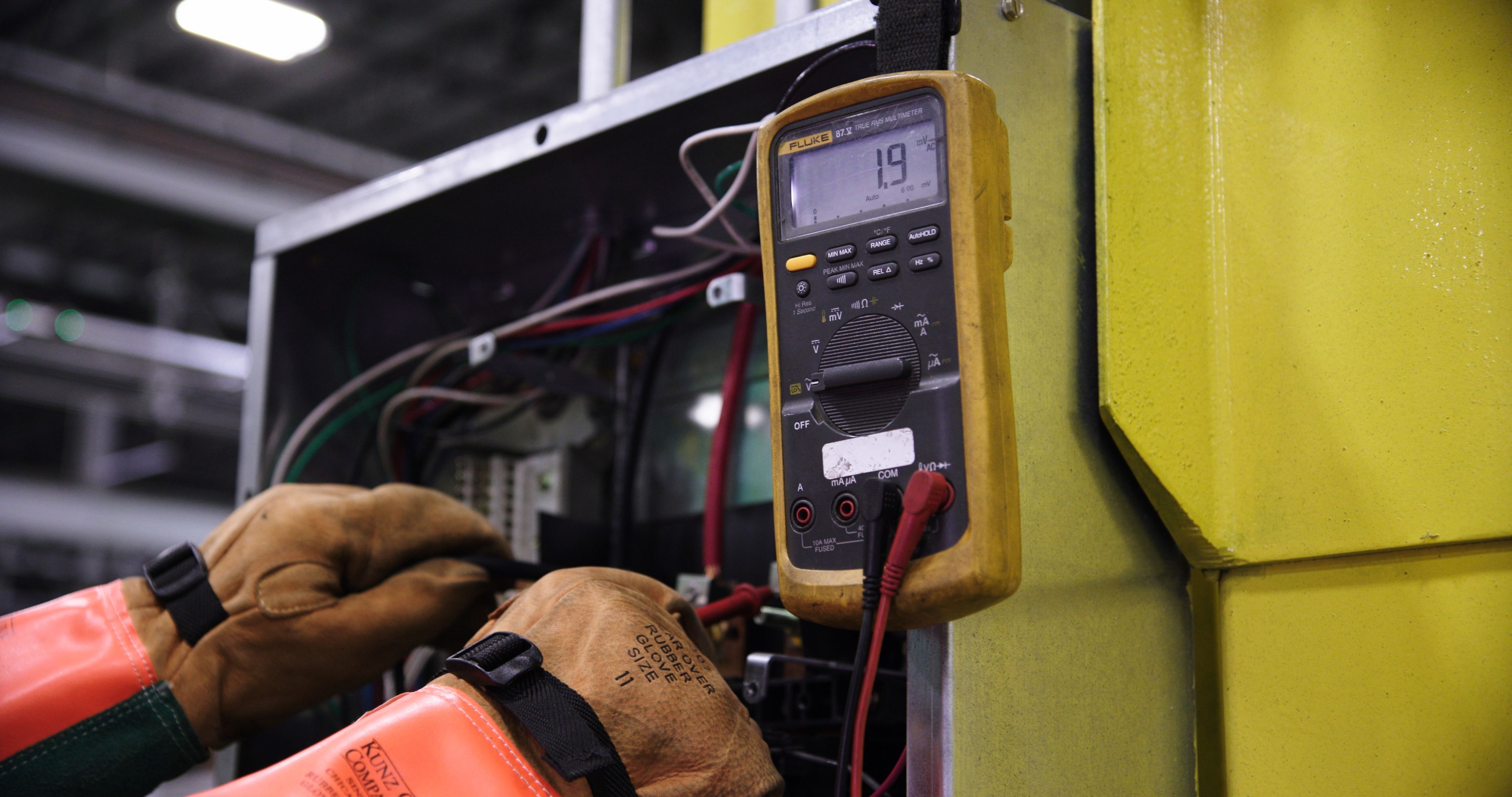
- Safety awareness: lockout/tagout, arc flash awareness, PPE, and jobsite hazard recognition. Your official OSHA 10 completion card comes separately, from our Construction OSHA 10 class.
- Hands-on practice: conduit bending, device wiring, panel work, and troubleshooting in a controlled training environment.
- Professional readiness: how apprenticeships work, how to interview with contractors, and what employers expect from day one.
Who this is for
Our edge
This program carries the DNA of a Philadelphia electrical contracting business built over three and a half decades. We teach what the field demands, not just what a textbook covers.
Outcomes
Finish this track with trade-specific fundamentals and hands-on readiness, positioned for an entry-level helper role, a registered apprenticeship (employer- or union-sponsored), or further trade school training.
Step one
Construction OSHA 10
Every MTI trade track starts the same way: a live OSHA 10 class, taught by an OSHA-authorized trainer. It's open to all trades, so it's the right first step no matter which direction you choose.
Where it leads
Three real paths
From there: an entry-level helper or laborer role, a registered apprenticeship (employer- or union-sponsored), or further training at a trade school. We'll help you figure out which fits.
Next step
Start with Construction OSHA 10.
Grant funding may be available through the Cornerstone Trades Foundation. Cost should never be the reason you don't train.